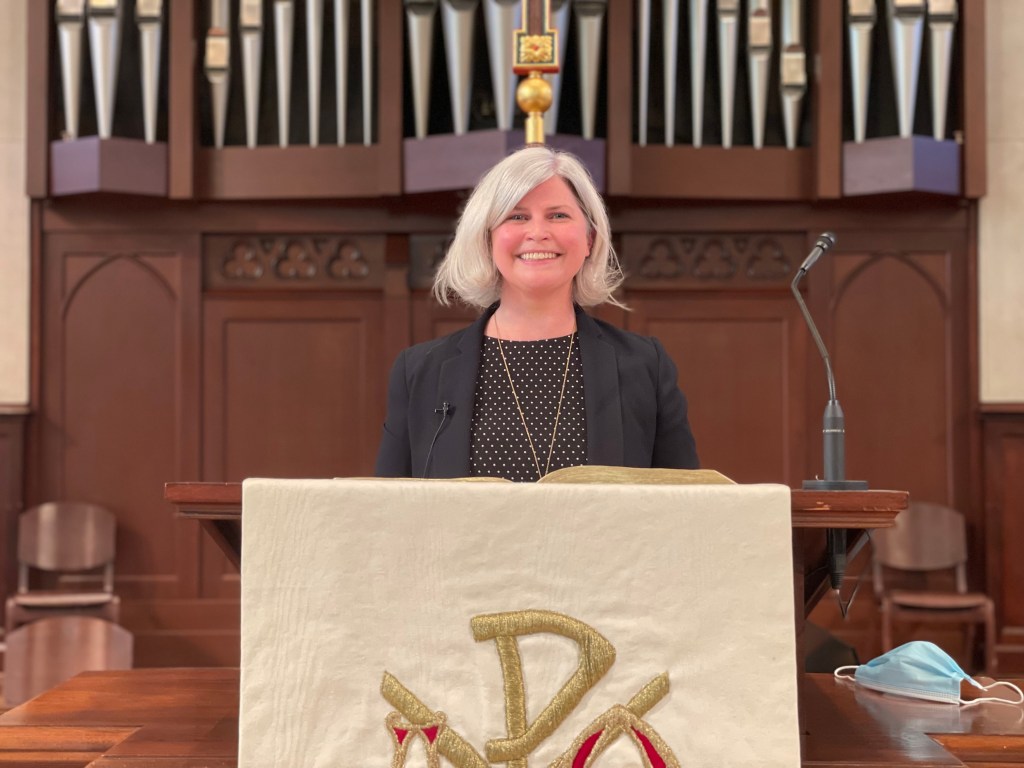
About My Call

My seminary experience comes after a rich chapter serving the non-profit sector as well as my first stint in graduate school to study social work. Most recently, I served in many roles at VOX ATL, a holistic youth-development organization with a focus on uncensored self-expression. It was through my time at VOX that I honed a passion for community organizing, including stakeholder engagement and facilitation. These skills and passions are central to my call to ministry because I see church as holy community – a group of people working together to discern where the Holy Spirit is leading us, guided by the values of Jesus’ gospel and held in the promise of God’s creative imagination.

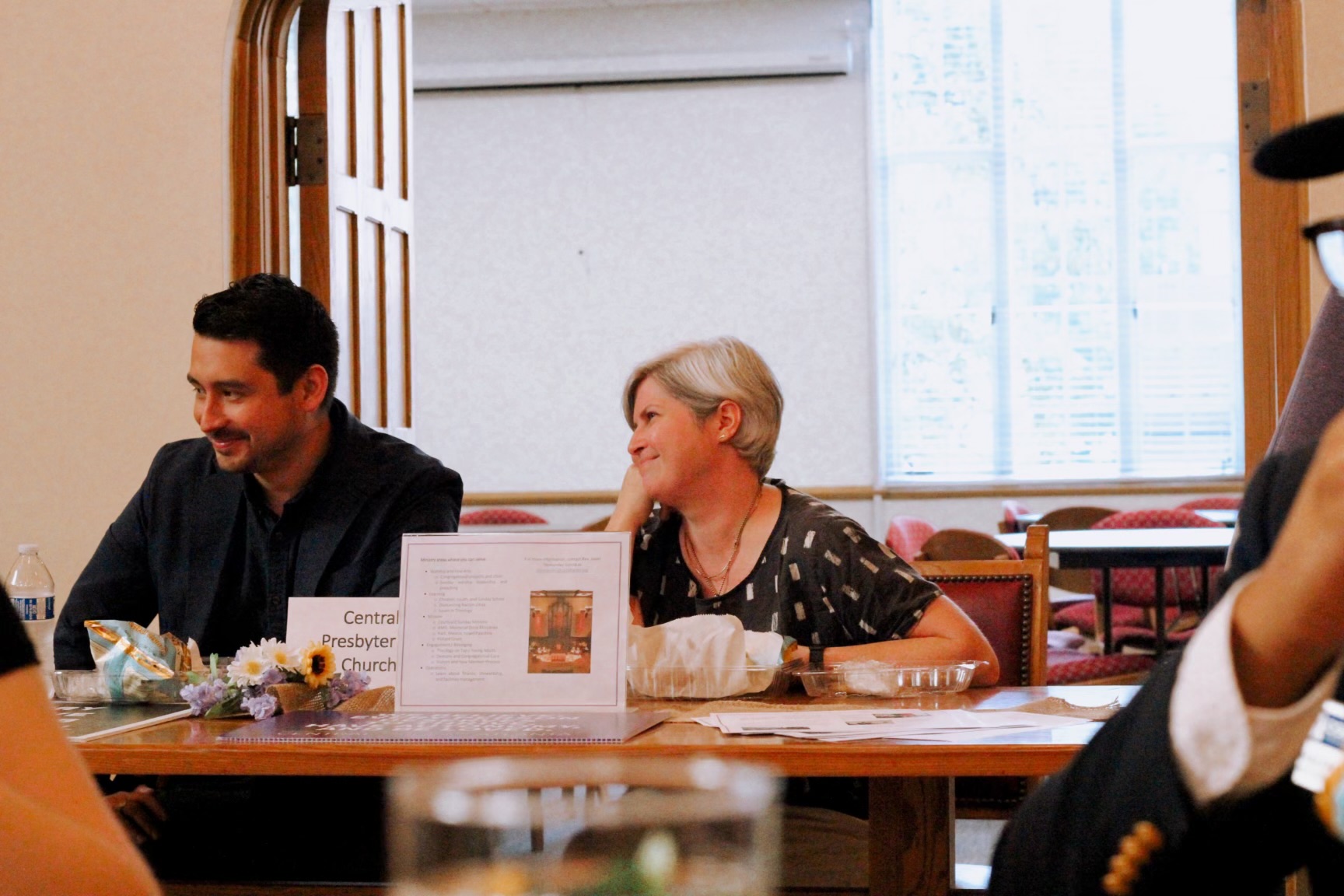
I entered seminary with the desire and goal to seek ordination as a Minister of Word & Sacrament in the Presbyterian Church (USA) in order to serve a congregation. I am currently a Candidate with the Presbytery of Greater Atlanta. I serve as the Director of Children & Youth Ministries at Central Presbyterian Church and weave together what I am learning at seminary with my experience in youth development. This has revealed a love of nourishing the spiritual life of people in formative stages of their development. I am building educational experiences, including confirmation, fellowship opportunities, and service engagement. I am supporting children and youth in worship as well and paying attention to how our youngest worshipers experience God in our midst. 
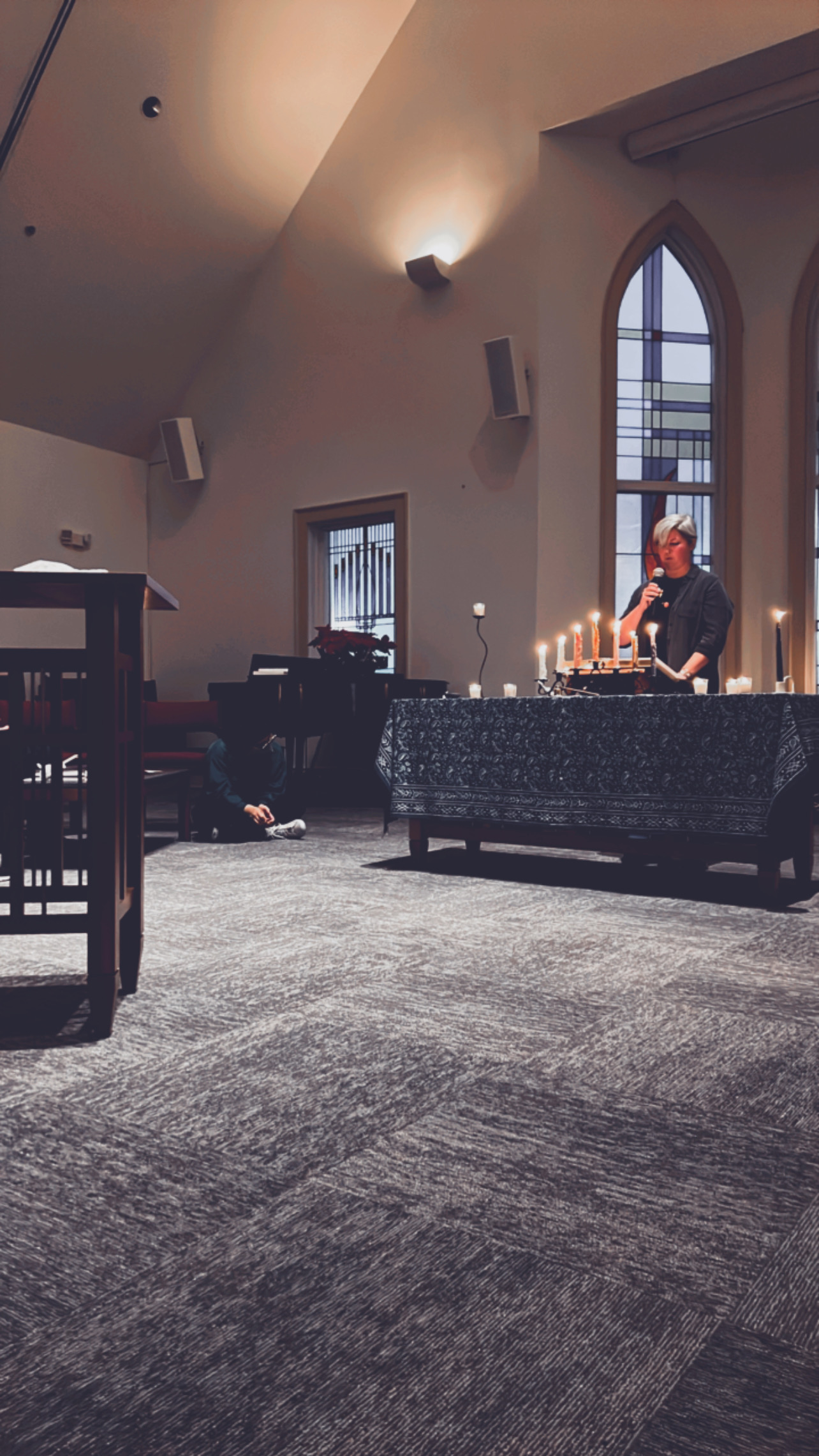
Speaking of worship, I served as the Office of Worship Life (OWL) Coordinator at Columbia for the spring semester of 2024. In this role, I worked with student groups and guest preachers to facilitate chapel services for our community. I supported the OWL team in both the logistics and theological reflection surrounding our chapel experience. It was an enlivening and profound experience, expanding my understanding of my call. In any context I serve, I bring creative energy for exploring how worship functions as a site of divine and communal belonging and how we can build worship services that are collaborative, authentic, and accessible. 
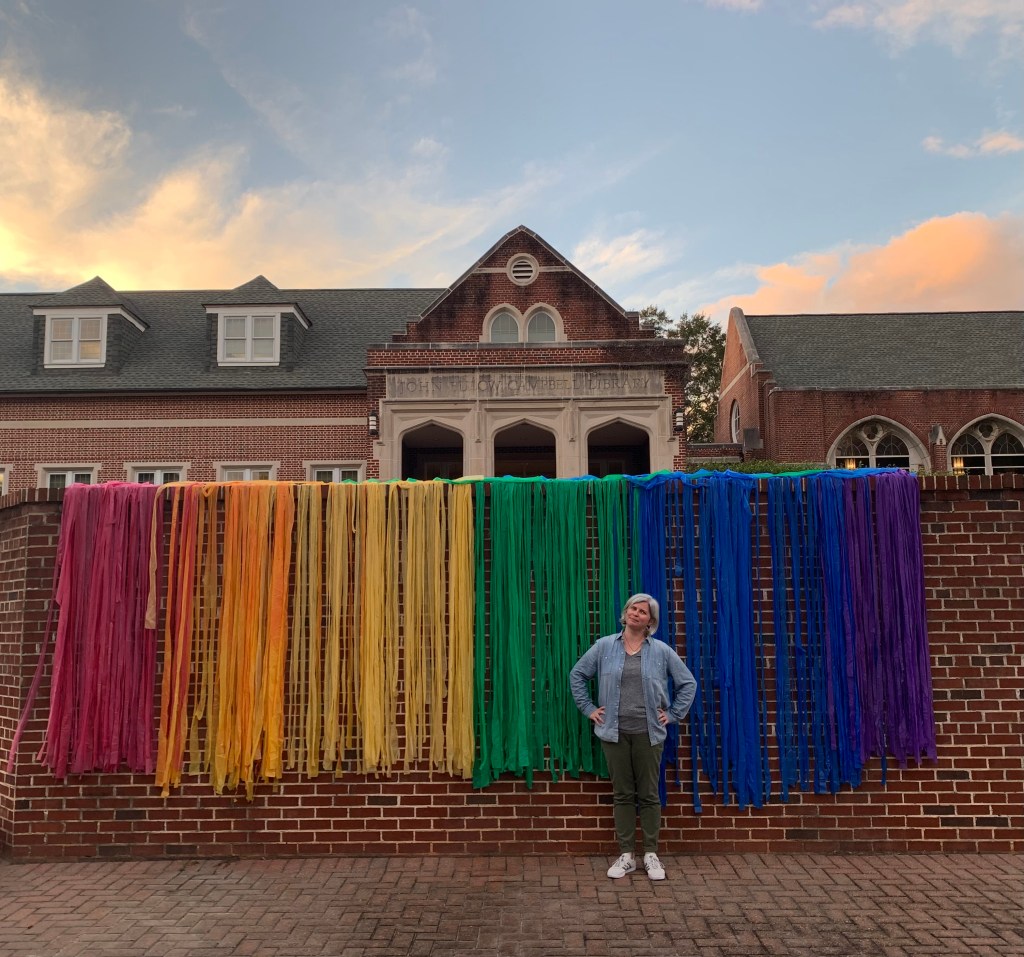
In weaving my past experiences, current joys and possible futures together, I feel called to support the Christian spiritual formation of a community across age, stage, and life story. I see how worship, pedagogy, and pastoral care can work holistically to build bridges in people’s lives towards knowing God’s presence in their lives. Ultimately, my vocational goals relate to my desire for all people to know that they are beloved and that they belong – to God and to one another. My ministry will reflect this central value through pastoral care, community organizing, spiritual formation and facilitated worship experiences.  
Spiritual Practices

Spiritual practices are the routines and rituals that create space for God to show up in my daily life. They are bridges to the divine among the ordinary stuff of to-do lists, assignments and in-boxes. Three practices have become especially meaningful to me, two that have long been anchors in my life and another that I have rediscovered.

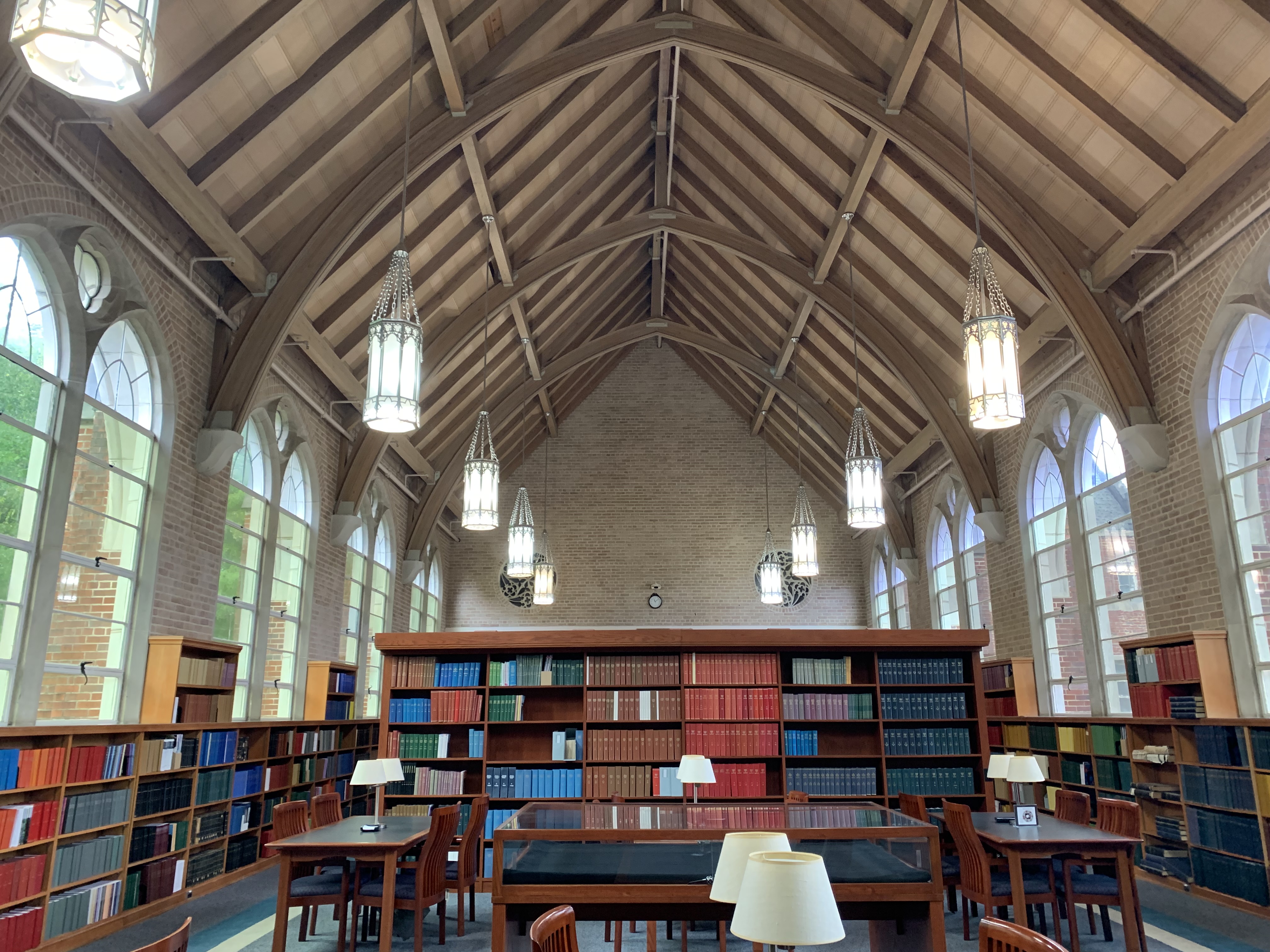
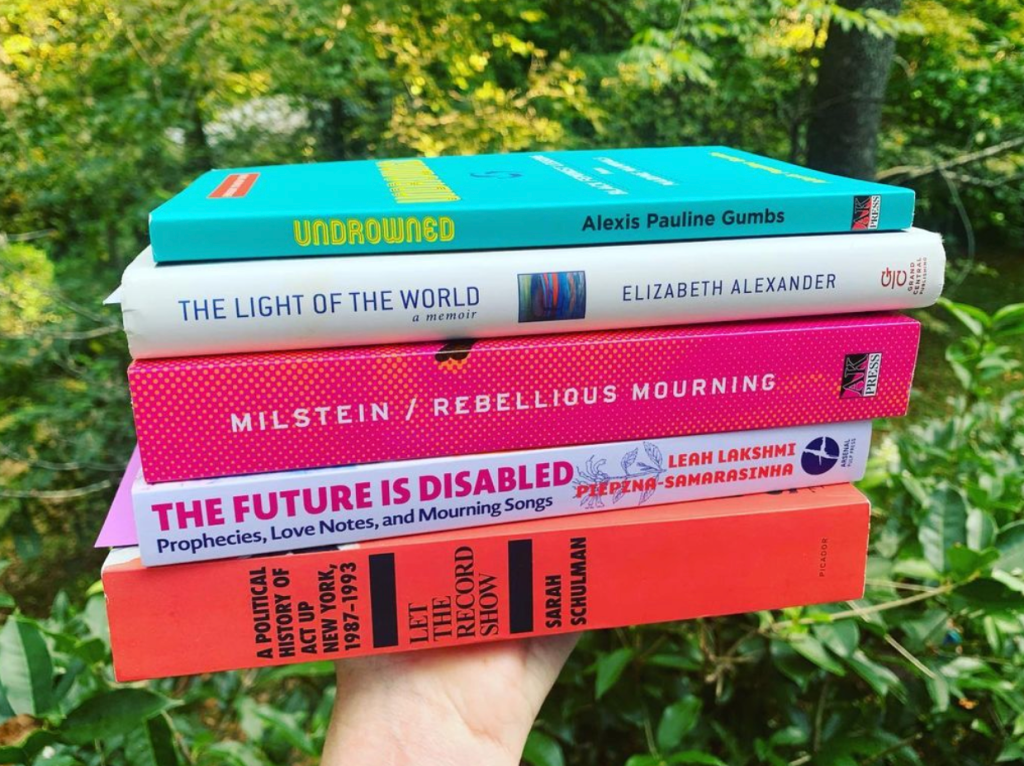
Reading & writing: I have always been an avid reader. I find God in words and in the stories of people and places I wouldn’t have access to otherwise. I have a pin on my backpack that says simply “Books Change Lives” because I know that without the writing and storytelling of innumerable books that I love, I wouldn’t be as aware that entire worlds exist beyond mine. In response, I find writing about my own experience – of God, love, joy and grief – helps me make meaning of life in all of its beauty and challenge. I have an ongoing relationship with the practice of Morning Pages from Julia Cameron’s The Artist’s Way. Writing liturgy has also emerged as a place to explore my relationship with God. It is an honor to express myself this way and share it with a congregation as prayers and affirmations of our shared faith. I look forward to seeing where this particular spiritual practice leads me!

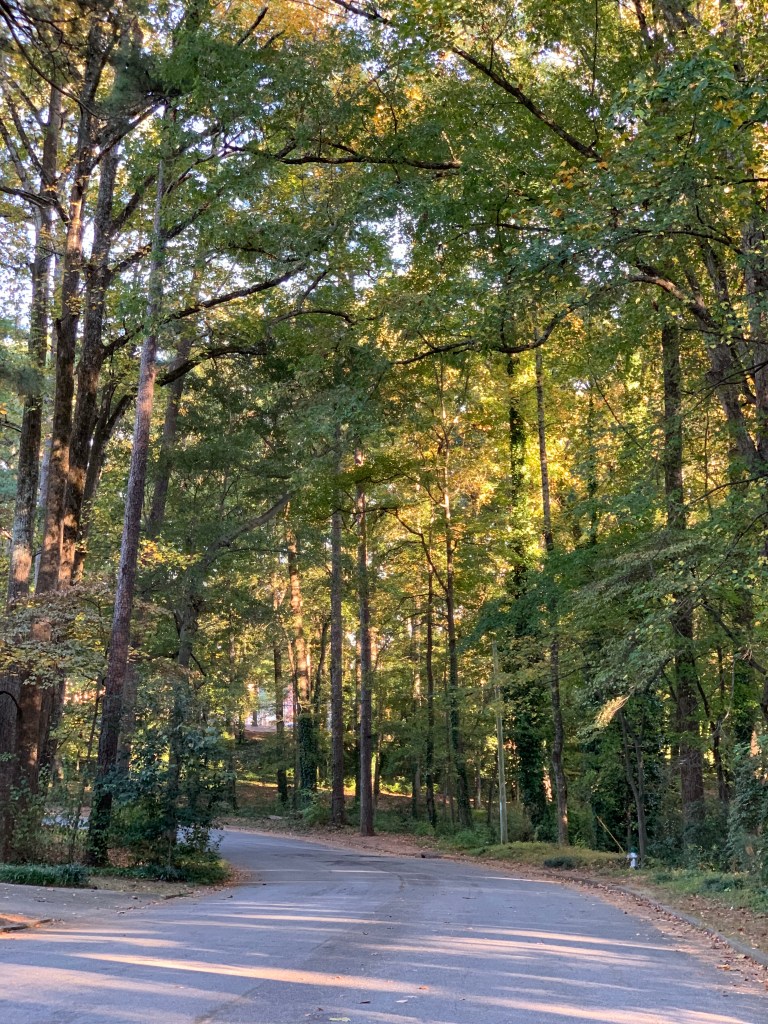
Walking: Such a simple act and yet, every time I am able to get out on a brisk walk, filling my lungs with air and pumping blood through my body, I feel a deeper connection to myself and to God. Sometimes it is the act of movement that reminds me I have a precious, God-given body to care for. Sometimes it is the way the light moves through the trees or the small neighborly creatures that make their presence known that fills me with God’s presence.  

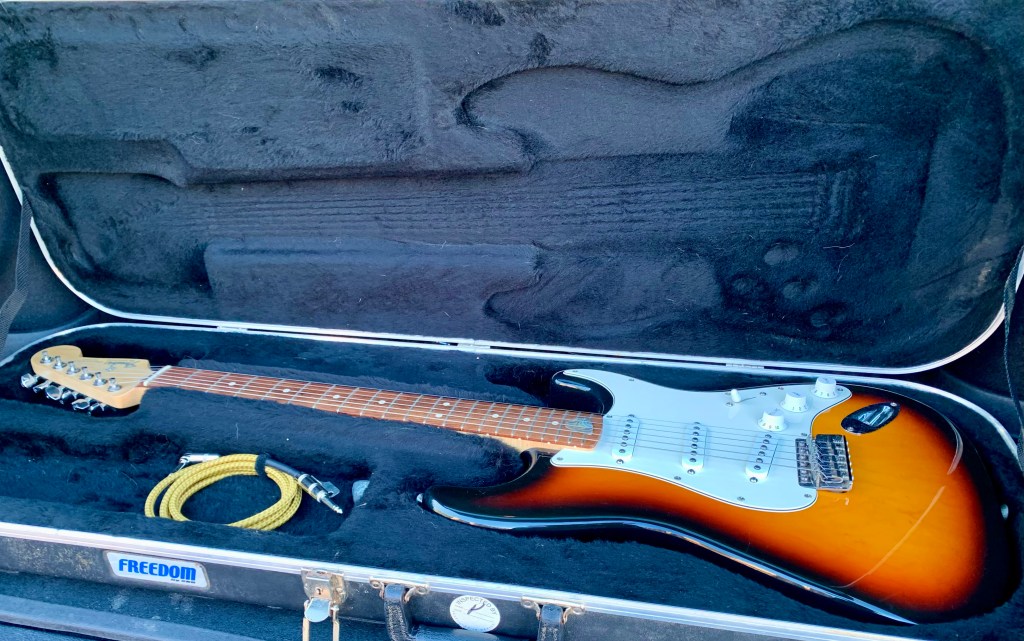
Music & Art: Lately, I have been exploring music again as a spiritual practice. I grew up playing viola and have picked it back up, mostly relying on muscle memory to reconnect with its sonorous sound (I will spend a great deal of time telling anyone who asks why the viola is the best). I also am learning to play the guitar and took formal lessons last year and will resume once again this summer. I find that music allows me to be completely present. There is nothing else that I can think about while I am trying to hit a note or make the right shape for a chord. There is also something about practice as a discipline. It is not lost on me that “discipline” and “disciple” are similar words, rooted in the same Greek definition of “student.” We are always learning at God’s feet and approaching music with a spirit of discipline has been beautifully humbling. 

I am also a proud member of the High Museum of Art and have been seeking out more opportunities to see art in person in all formats. Much like books, art in all of its forms is transporting, expanding and surely divine.

Practical Theology as a Bridge to Belonging

This is a bridge that takes me to a place where my family has gathered for many summers in coastal Maine. Passing over this bridge signals that I am moving closer to a time of connection, to a time of deep rest, to moments of joy. Passing over this bridge means that I am closer to a place where I belong, a place where I am uniquely loved, and a place that moves me to live well beyond routines, tasks and to-dos.. 

Practical theology is this kind of bridge, one that is in between the secular and the sacred, the ordinary and the extraordinary, the vast and the specific. This is a bridge that we don’t cross once in life but one that is integrated into our spiritual routes. We are always bridging our own lived experiences with the context that we serve within. We listen, we observe, we seek understanding of the deepest needs of the people we are in relationship with.

In pastoral care, we ensure that we bridge people’s lived, daily experiences to God. We hold the most tender stuff of life. We support people in bearing witness to joy and making sense of grief. We might not have answers and feel limited in our own response and so we surround people with care through resources and referrals, all the while reminding those we pastor that they belong to God.

In worship, we put God in the center, explicitly building a bridge to the divine. Our theology is expressed through accessible, intentional experiences that hold space for people to meet God. We facilitate opportunities for the Holy Spirit to move. We proclaim the Word of God to remind all of those gathered who God is and how God worked through Jesus Christ. As Dr. Tony McNeill says, we hold space for cosmic questions. Worship is a bridge, an opportunity to step out of the hustle and bustle of life to be reminded that we belong to God.

In spiritual formation and education, practical theology serves as a bridge in ensuring people learn who God is through relevant experiences that speak to their context. We design curriculum, choose readings, facilitate conversations, and uncover learning opportunities that honor the people we serve. We ask questions and draw connections, we honor different learning styles and creatively engage the mind, body and spirit of seekers. Our pedagogy is a bridge to making meaning of how we belong to God.

My definition of practical theology is rooted in intentional facilitation, building this bridge to the holy one worship experience, prayer group, youth fellowship activity, Session meeting, hospice visit and shared cup of coffee at a time. I believe that practical theology brings holy belonging to life through acts of pastoral care, worship, and formation. I seek to build bridges of belonging – to God and to one another.

I Believe…

I believe in God, our Creator and our Author, who delights in creation and declares it very good. God’s imagination lives out in the vastness of the planets, the specificity of each hair on our heads, and in each wildflower, sea creature, and ant hill. I believe that our very creation is an expression of God’s abundant grace. Through this divine grace, we are called to love and be loved.

I believe in Jesus Christ, our Redeemer and our Teacher, who walked on this earth enfleshed, who felt the wide swath of emotions including joy and anguish, who knew what it felt like to heal through touch, and who was God’s love embodied. The life and death of Jesus calls us to cross divisions of self and other and calls us to dismantle structures and systems that cause harm to any part of creation. I believe in the resurrected Christ, made whole and free, who transcends the binary of human and divine and fulfills for us the promise of life everlasting.

I believe in the Holy Spirit, our Sustainer and our Wisdom, who moves freely through God’s creation. The Holy Spirit reveals to us who God is and what God does through the Word, guiding us towards the truth of love and the kingdom in the here and now. The Holy Spirit reveals to us who God is in our relationships with one another – neighbor and stranger alike. The Holy Spirit turns our confessions into action, guiding us towards compassion and justice. 

I believe that among the gifts of love and grace from God our Creator, we cannot avoid the reality of sin. Sin exists in anything that separates us from the love of God and one another. We rely on systems that oppress. We allow our neighbor to go hungry, we act as bystanders and perpetrators to violence. Our sin is personal and collective, individual and communal. Yet sin will never have the final word because of grace. God’s grace gives us the courage to speak even when our voice shakes. God’s grace gives us the strength to forgive because we know we are forgiven. God’s grace emboldens us to move forward with action, working for God’s justice. God’s grace frees us, redeems us, and calls us.

I believe that God’s grace is revealed to us through the gift of Scripture. Guided by the Holy Spirit, Scripture illuminates the depth of God’s love for all of creation through God’s covenant with us and through the life, death, and resurrection of Jesus Christ. We return to Scripture for the authority it holds in telling the story of who the Triune God was, is, and will continue to be. 

I believe that God’s grace is revealed to us through the waters of Baptism as our lives are claimed in Jesus Christ through the power of the Holy Spirit. Through this sign of our union with Christ, we are sealed in love with our Creator. We are sealed in love with a community of faith that will walk alongside us, journeying with us in hope as we work for God’s justice.

I believe that God’s grace is revealed to us through the feast of Communion. When we gather around the table, abundant with the goodness of love and mercy in the risen bread and the overflowing cup, we proclaim the shared mystery of our faith: Christ has died, Christ is risen, Christ will come again. It is with the Holy Spirit’s movement that across time and generations, this meal sustains us in mystery and in the work of our shared faith. 

I believe we encounter the Triune God’s grace at church – a place where we share our faith out loud. We respond to God’s grace through worship, making a joyful noise, encountering and proclaiming the Word, feasting at God’s table in communion and claiming God’s call on our lives in baptism. I believe the church gives us the relationships to surround us when we suffer, to sit with us in our lament and to celebrate with us in our joy. I believe that in both a promising and fearful world, the church is called to act decisively out of God’s abundant love. I believe being a church is the act of living into God’s reordered vision where we all belong. It is because of and with these beliefs that I listen to God’s call on my life and respond with gratitude, working for God’s kingdom in the here and now.